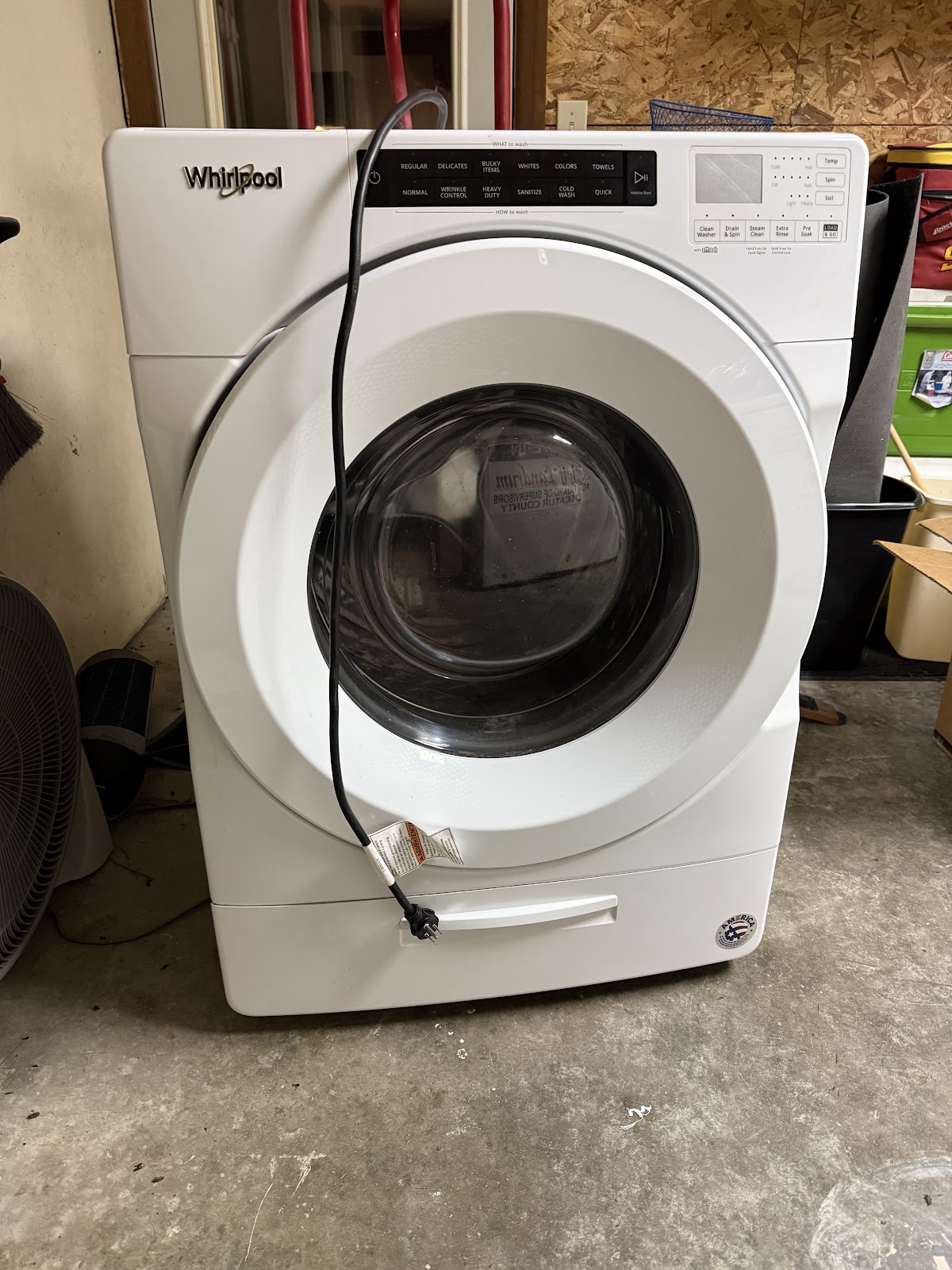
Personally? I discoverd Appliance Professionals two years ago and have never had a bad experience. The prices are fair and everything has worked like it should. No breakdowns yet. The staff with whom I dealt were friendly and courteous. I was looking up their info, (because I need to make another purchase) ran across the rating and was surprised it wasn't higher. They've been around several years, but it does look like the older reviews seem to rate the experience less favorably. I also noticed that those who had bad experiences were more likely to be in a hurry. That's a red flag and the reason for this long review. Buying a used appliance is like buying a used car. And, just like cars, they don't build them like they used to. (i.e. like tanks) For anything used, you must do your homework. Check the reviews. Find out the strengths and weakenesses of each appliance brand and model. They are not all created equally. And for appliances, generally, simple means durability and reliability. The more mechanical, the less fancy, the better. Older designs are tested and true. Check the manufacture date. Ask to plug things in. Some newer appliances have on board diagnostics. Learn how to access those systems. Look inside the washers and dryers. Remove the soap dispenser drawer, and look in the slot. Spin the drum by hand to make sure it spins freely and evenly with no grinding, screeching, or bumping. Grasp the drum and feel for play and it's support. Is the door seal on the washer soft and pliable and free of tears? Any clunking? Look at the case. Particularly the backs of washers, dryers, fridges. Are they clean? Any excess dirt or lint? Free of big scrapes and gouges? Any indication of water damage? Soap trails, warped cardboard backing? Examine stoves inside and out. Lift the cook top to see if it's clean with no burnt wiring. Look for missing screws on the case. Look at the lint trap and lint chute. Really. Go ahead and smell around everything. Anything smell burnt or rotten? Use your senses. They provide clues. These are all things you should be doing as a consumer. And finally, I remember all the times I'd bring something to my dad and say, "I don't know what happened?" To which he would simply reply, " yeah. it was fine until it broke." Although a lot depends on how a product is used and maintained, appliances can have intermittent electrial or sensor failures that don't show up all the time. You can't remain in business vey long these days if your goal is to cheat your customers, so as frustrating the situation? Try and remain calm.
Read full review
Personally? I discoverd Appliance Professionals two years ago and have never had a bad experience. The prices are fair and everything has worked like it should. No breakdowns yet. The staff with whom I dealt were friendly and courteous. I was looking up their info, (because I need to make another purchase) ran across the rating and was surprised it wasn't higher. They've been around several years, but it does look like the older reviews seem to rate the experience less favorably. I also noticed that those who had bad experiences were more likely to be in a hurry. That's a red flag and the reason for this long review. Buying a used appliance is like buying a used car. And, just like cars, they don't build them like they used to. (i.e. like tanks) For anything used, you must do your homework. Check the reviews. Find out the strengths and weakenesses of each appliance brand and model. They are not all created equally. And for appliances, generally, simple means durability and reliability. The more mechanical, the less fancy, the better. Older designs are tested and true. Check the manufacture date. Ask to plug things in. Some newer appliances have on board diagnostics. Learn how to access those systems. Look inside the washers and dryers. Remove the soap dispenser drawer, and look in the slot. Spin the drum by hand to make sure it spins freely and evenly with no grinding, screeching, or bumping. Grasp the drum and feel for play and it's support. Is the door seal on the washer soft and pliable and free of tears? Any clunking? Look at the case. Particularly the backs of washers, dryers, fridges. Are they clean? Any excess dirt or lint? Free of big scrapes and gouges? Any indication of water damage? Soap trails, warped cardboard backing? Examine stoves inside and out. Lift the cook top to see if it's clean with no burnt wiring. Look for missing screws on the case. Look at the lint trap and lint chute. Really. Go ahead and smell around everything. Anything smell burnt or rotten? Use your senses. They provide clues. These are all things you should be doing as a consumer. And finally, I remember all the times I'd bring something to my dad and say, "I don't know what happened?" To which he would simply reply, " yeah. it was fine until it broke." Although a lot depends on how a product is used and maintained, appliances can have intermittent electrial or sensor failures that don't show up all the time. You can't remain in business vey long these days if your goal is to cheat your customers, so as frustrating the situation? Try and remain calm.